
BreathiZen® Side Effects and Interactions
Reported BreathiZen side effects are mild and mostly about taste. The interactions that matter, who should avoid it, and what to ask a pharmacist.
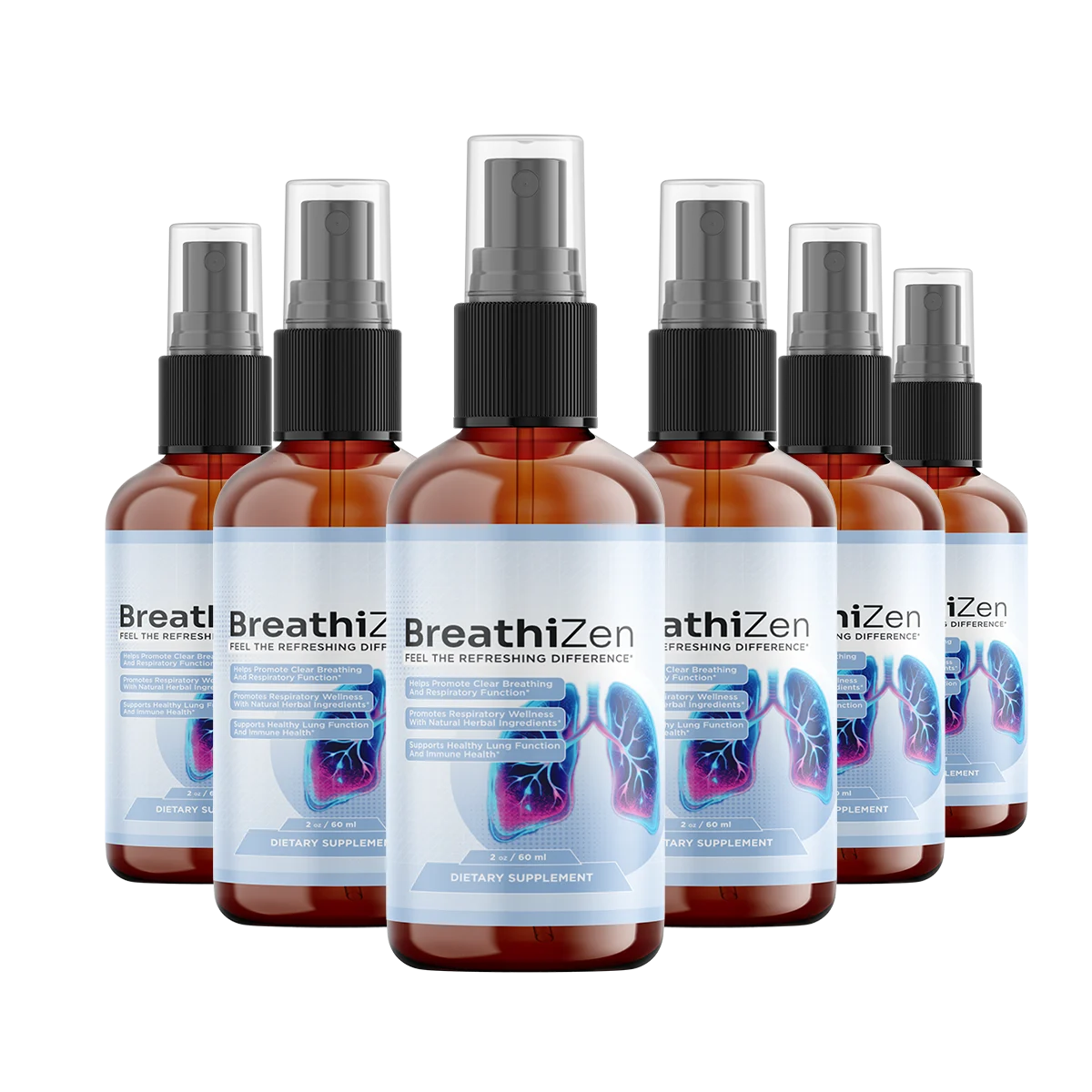
Is BreathiZen® Worth It? An Honest Look
An affiliate site arguing against its own interest where the evidence warrants — what BreathiZen does well, what it cannot do, and who should not bother.

When to See a Doctor About Breathing
When to seek care for a persistent cough or shortness of breath, what persistent cough causes usually are, and the symptoms that need attention today.

Do Home Remedies Work for the Airways?
Steam inhalation, saline rinse, honey, hot drinks and the dairy myth — which traditional airway remedies hold up under scrutiny and which quietly do not.
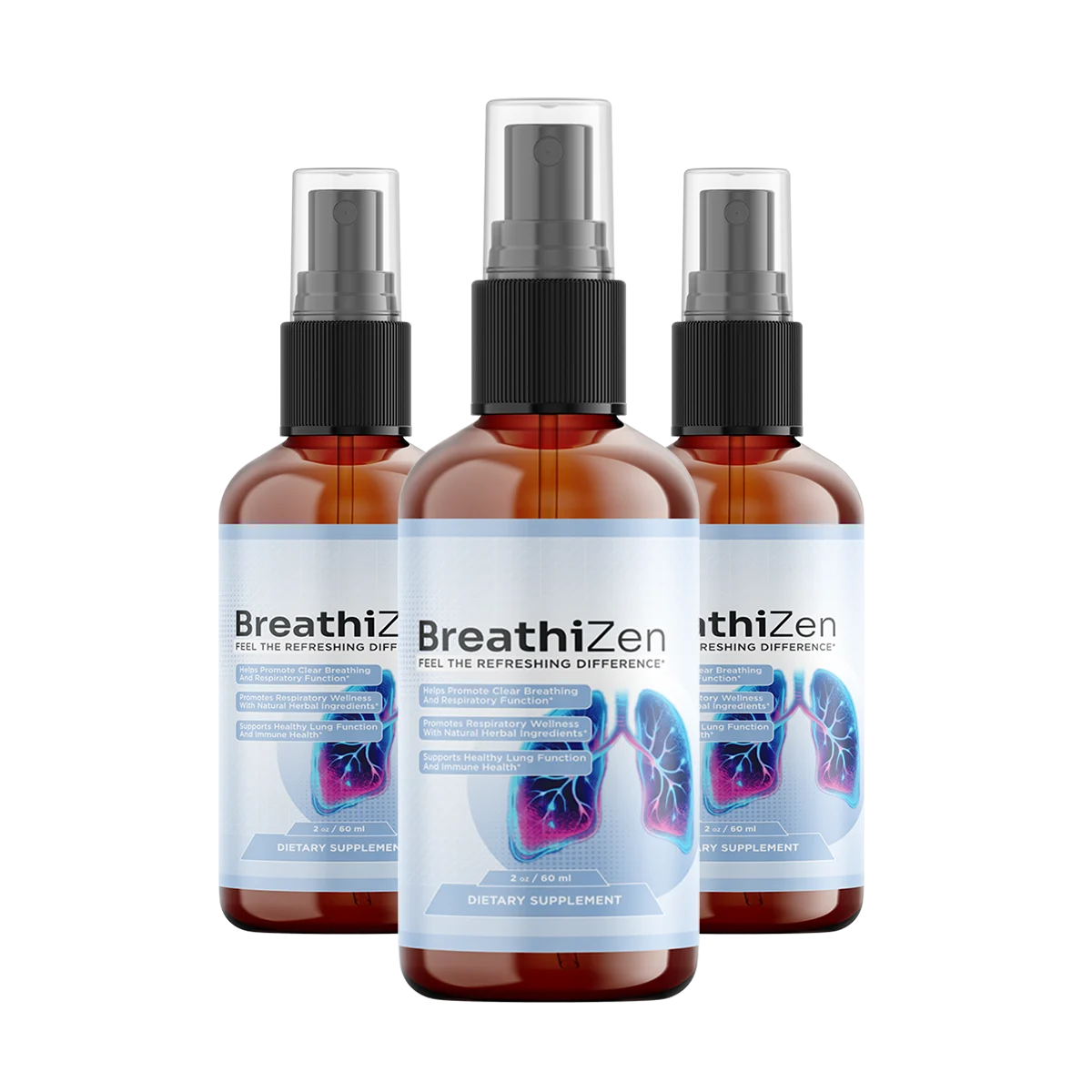
Lung Health Supplements: What to Look For
A buyer's checklist for the respiratory supplement aisle: six label details that separate a defensible product from a bad one, and what none can do.
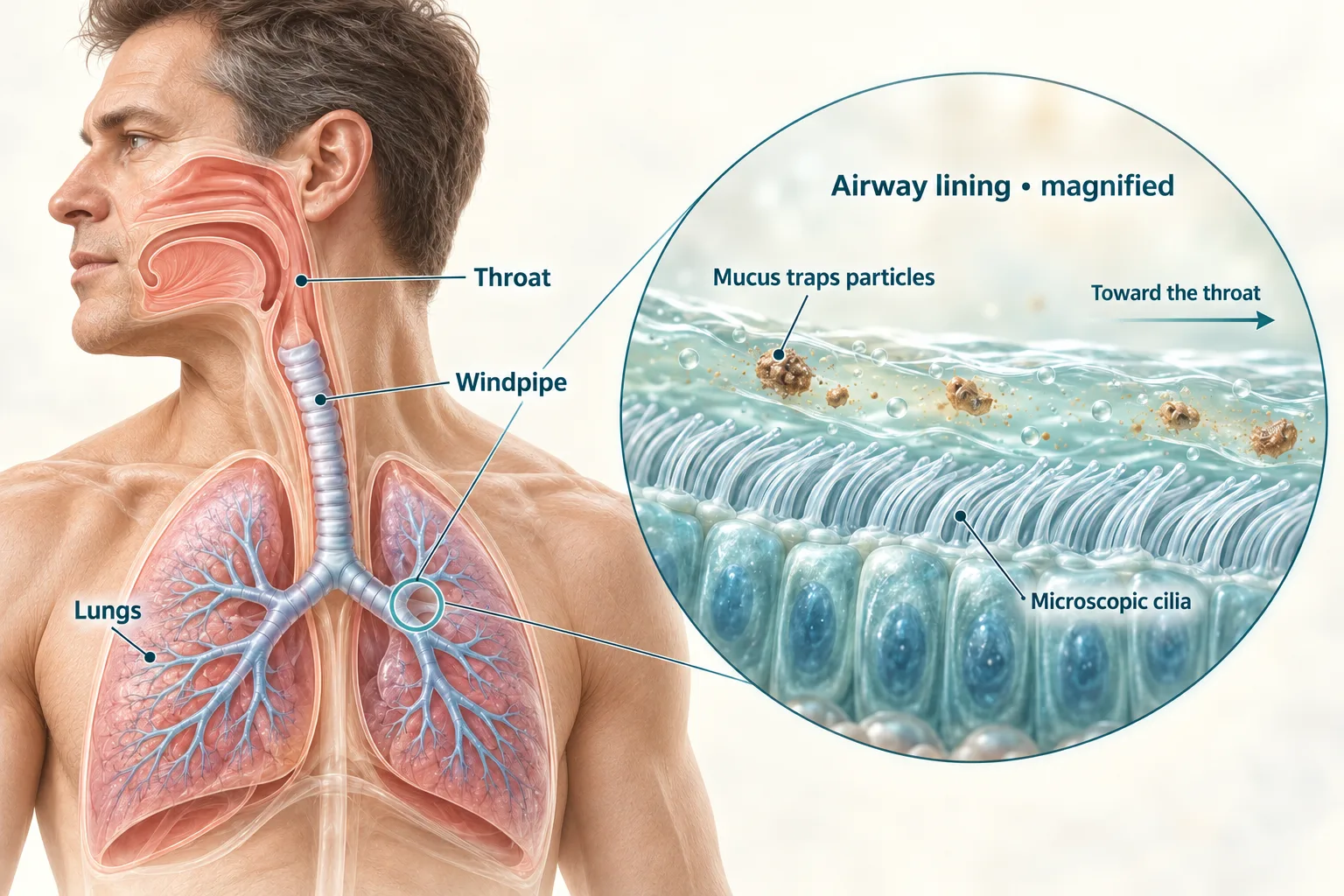
Congestion and Mucus in the Aging Airway
Chest congestion and nasal congestion are different problems with different fixes. What sputum, mucus color and an expectorant can and cannot tell you.
Lemon Oil in a Botanical Spray
Why organic lemon oil appears in respiratory formulas — flavour, formulation stability and traditional use — and why taste matters more than people admit.
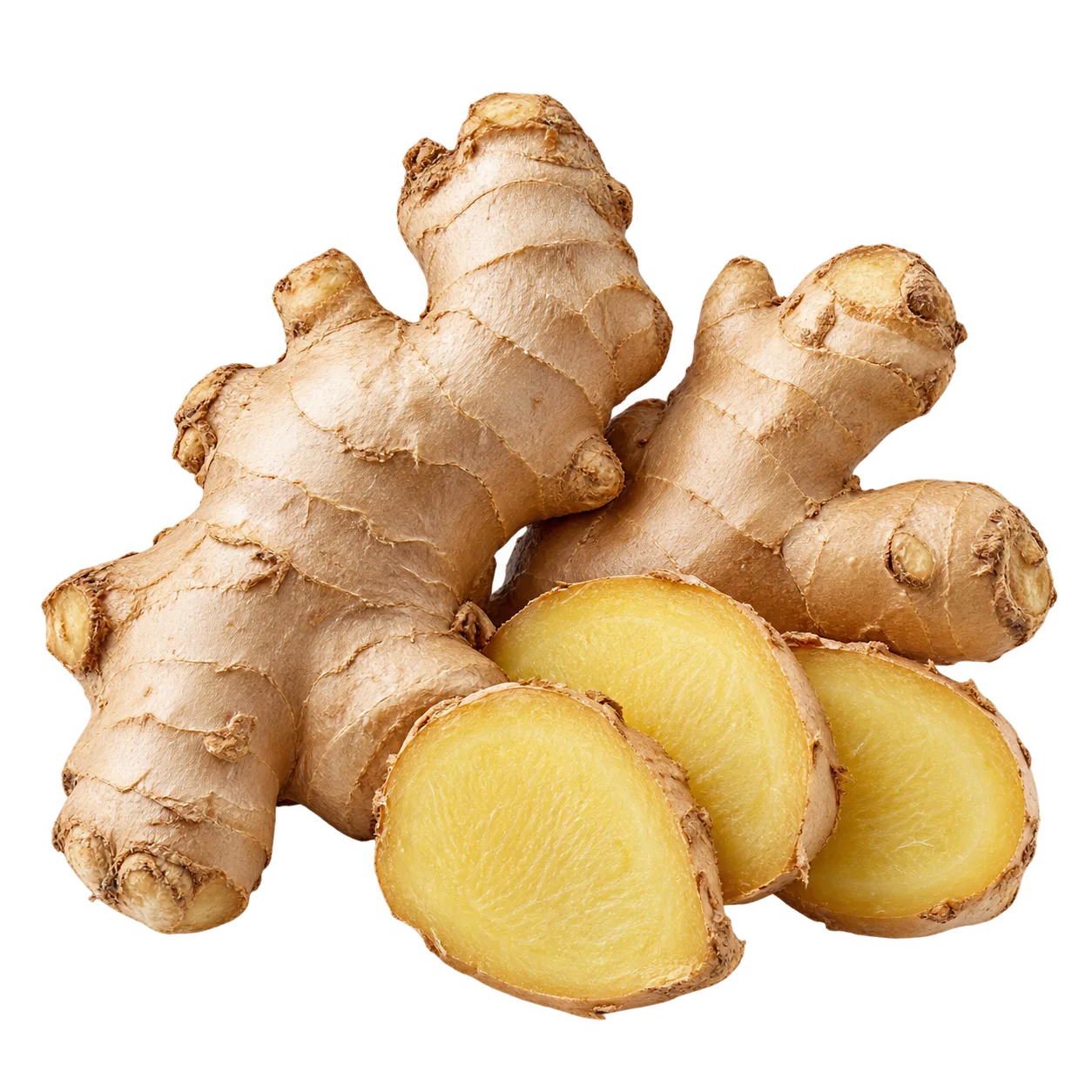
Ginger and the Airways: Reading the Lab Work
Ginger compounds relax airway smooth muscle in laboratory studies. What that finding means, what it does not mean, and the one interaction worth asking about.
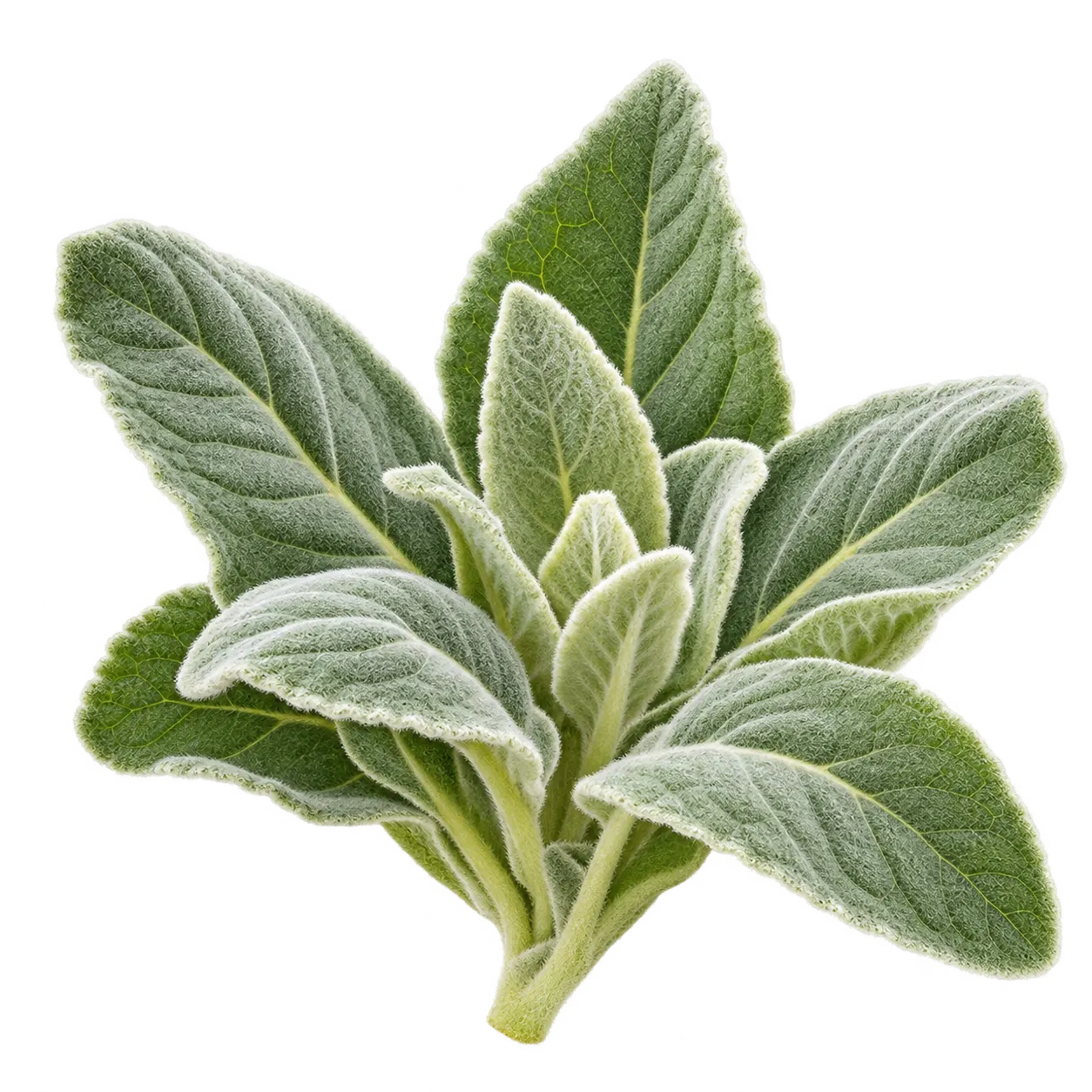
Mullein: What the Evidence Actually Says
Mullein has centuries of respiratory use across unconnected traditions and very little human trial data. Both facts matter; most writing picks one.
Hydration and Airway Clearance
Fluid intake is the most effective lever on how easily airways clear, and the mechanism is more specific than drink more water. Here it is.
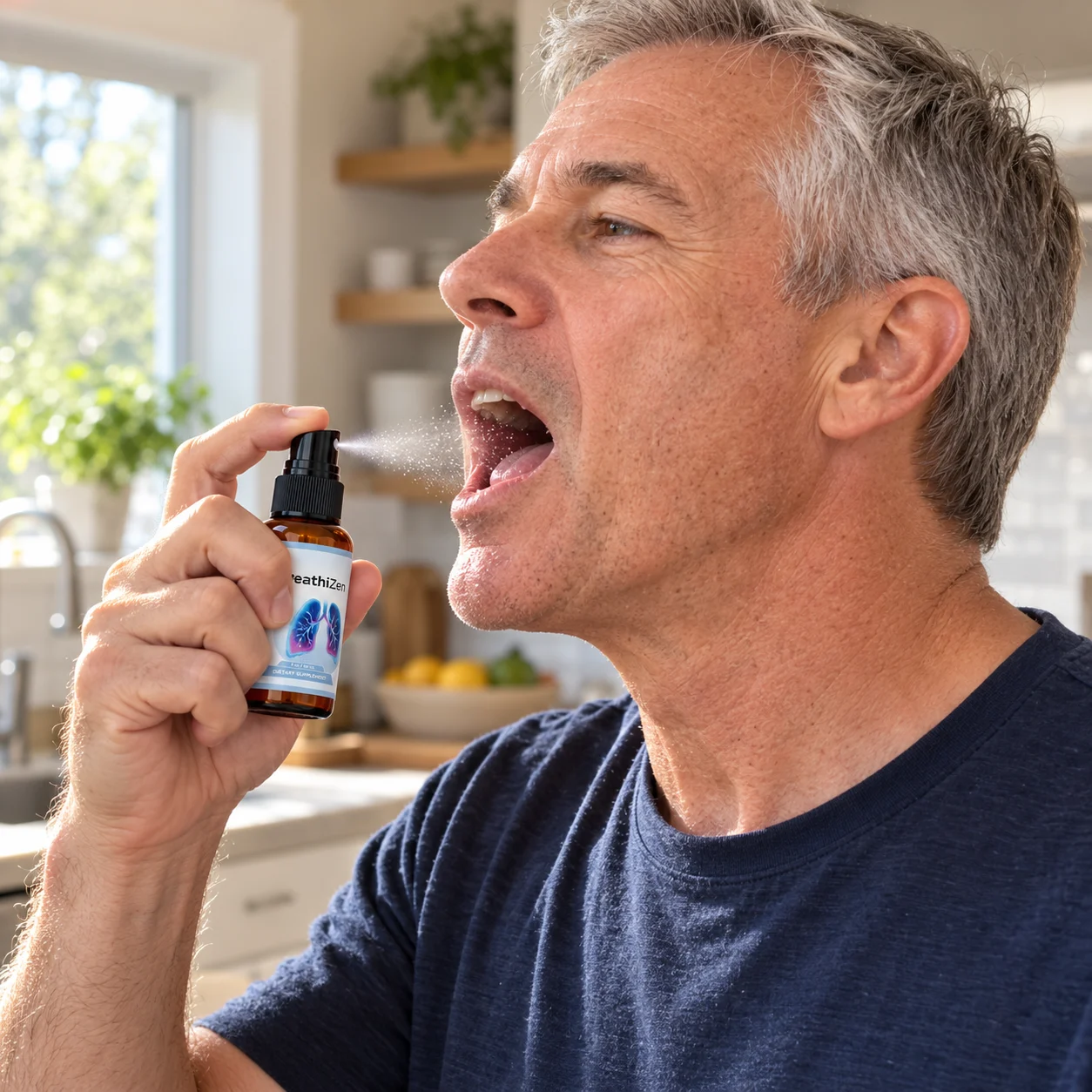
Yoga Breathing for Lung Health
Pranayama, box breathing and alternate nostril breathing — what yoga breathing does, and where the claims run well past the evidence.
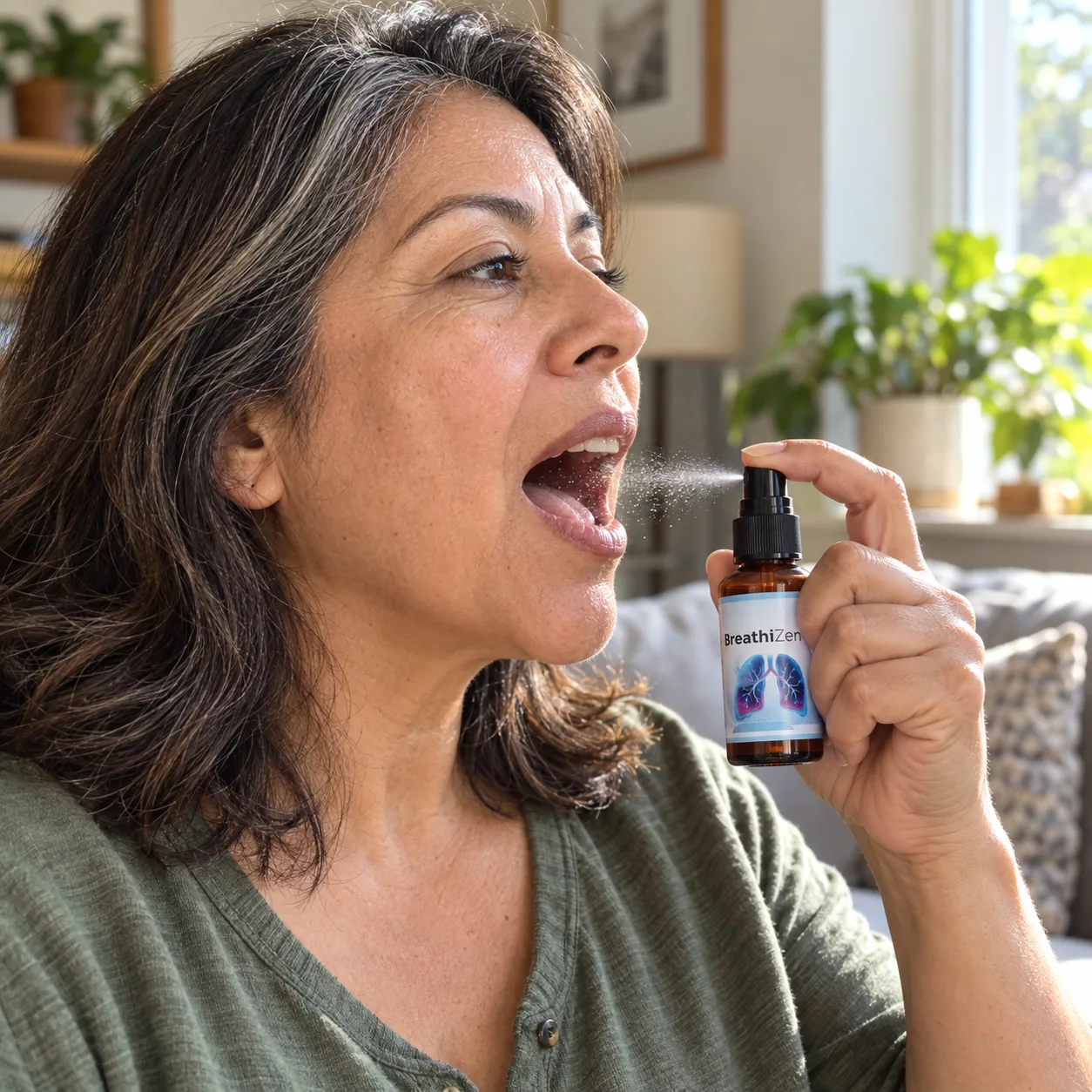
Breathing Exercises for Older Lungs
Diaphragmatic breathing, pursed lip breathing and the huff cough — the breathing exercises with real clinical use, and what they cannot do.
Why Chest Infections Leave a Mark
Repeated chest infections each leave a small mark on lung function, and they compound. Why recovery slows with age, and what shortens it.
Mucus in the Throat After Fifty
Persistent throat mucus is usually slower clearance, not more production. How to clear mucus from the throat properly, and when to get checked.
How Airway Clearance Changes With Age
Mucociliary clearance is the belt that keeps the lungs clean, and it slows with age. What cilia and goblet cells do, and what that means.
Dust, Pollen and Smoke Inside the House
Dust and respiratory health, pollen and airway irritation, secondhand smoke and airways, and whether air purifiers and respiratory health claims hold up.
Air Pollution and the Rate of Lung Decline
Fine particulate is linked to faster lung function decline. What PM2.5 is, how to read an air quality index, and what actually cuts exposure.
Bedroom Air: Eight Hours You Never Audit
You breathe bedroom air for a third of your life without checking it. Humidity, dust and ventilation — what matters and what to do about each.
The Job You Had at 25, The Lungs at 60
Occupational dust, fumes and solvents accelerate lung decline and are chronically under-counted, because the exposure arrived a day at a time over thirty years.
Quitting Smoking After 50 Still Works
Quitting after decades is not pointless, and the reason is in how the decline curve behaves. What recovers, what does not, and on what timeline.
Exercise and the Aging Lung: What Changes
Exercise will not raise lung capacity, and is still the best thing you can do for breathing as you age. The distinction, and a sensible week.
Lung Capacity vs Fitness: Which Limits You?
Lung capacity and aerobic fitness are different things, and in healthy adults it is fitness doing the limiting. Why that changes what helps.
Mucus vs Phlegm, and Why You Make Either
Mucus versus phlegm, why the body makes mucus at all, how airways clear mucus continuously, and what mucus buildup in the chest or throat actually indicates.
Out of Breath on the Stairs: What It Means
Getting winded on stairs you used to manage easily — the four things usually behind it, and which ones need a doctor rather than a training plan.
Sleep, Mouth Breathing and Why Mornings Are Worst
Sleep and breathing are more connected than most realize. Why mouth breathing dries the airway, what causes morning mucus, and fixes that cost nothing.
Spirometry: What to Expect From the Test
What a spirometry test involves, how to get a result worth having, what the numbers mean, and when a lung function test is worth asking your doctor for.
What FEV1 Measures, and Why It Matters
FEV1 sits behind most claims about lung function and aging. What it measures, what percent predicted means, and why a trend beats one reading.
Daily Lung Care: Habits That Hold Up
Practical lung health tips for adults — how to support lung health day to day, which healthy breathing habits are worth the effort, and which are decoration.
When Lung Function Peaks and Why It Falls
Lung function peaks in the mid-twenties and declines for life. What is actually changing in the tissue, and why nobody notices it for decades.